


The Aspinall Foundation
Adopt a Wolf
Adopt a Wolf
Couldn't load pickup availability
Do I need a soft toy?
Do I need a soft toy?
When selecting a physical adoption box, we offer you the choice between having a soft toy included. Please make sure you let us know your preference.
Wolves have long been misunderstood
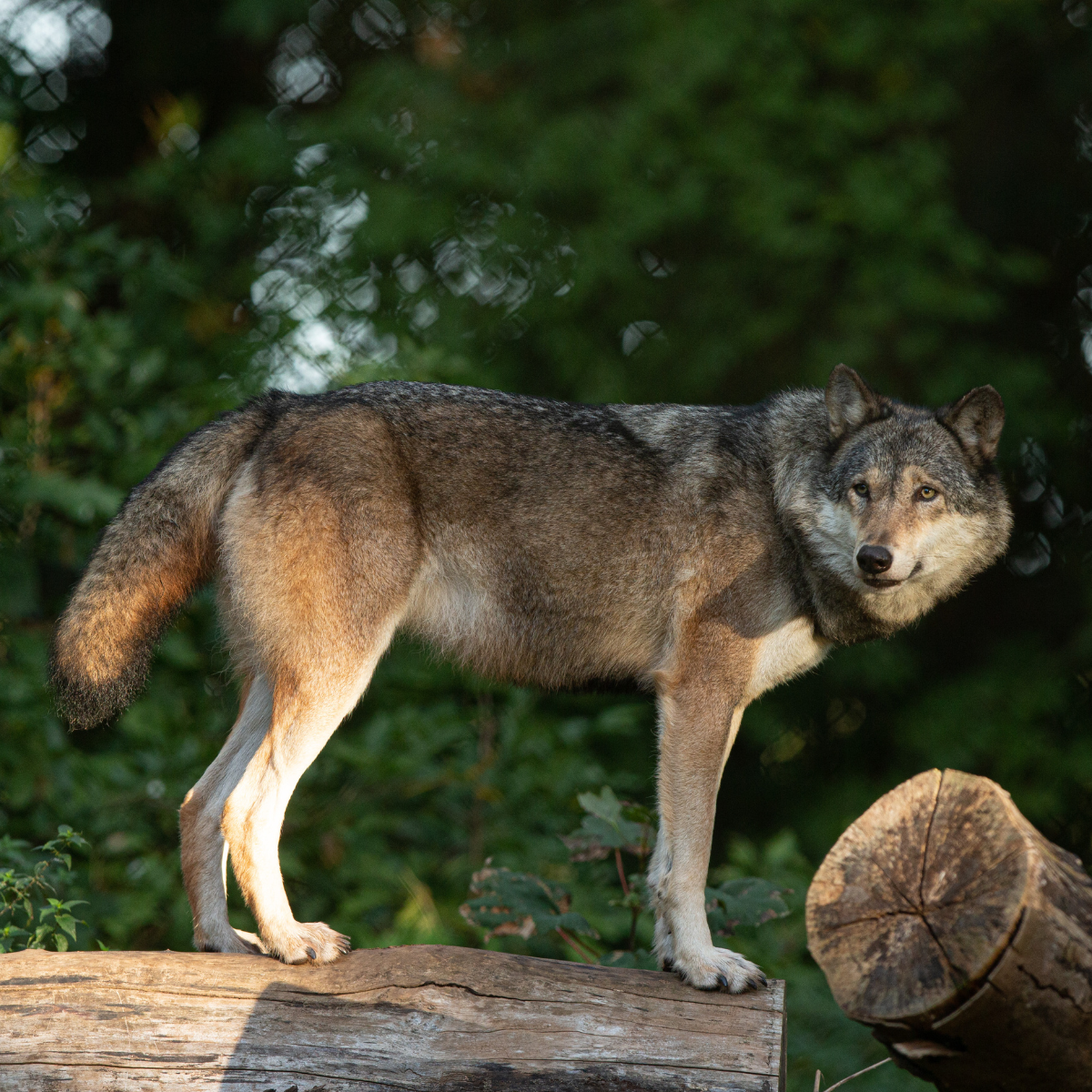
Wolves are intelligent, highly social animals, yet for centuries they have been surrounded by myth, fear and misinformation. This has contributed to generations of persecution and driven many populations from areas they once called home.
Different wolf species and subspecies are found across several continents, and their conservation status varies considerably. While some grey wolf populations are naturally returning to parts of their former range, others remain small, isolated or under pressure.
Wolves can still fall victim to poisoning and illegal killing, particularly where they come into conflict with people over livestock. Habitat loss and fragmentation can also separate populations, making it harder for wolves to disperse, find mates and maintain healthy populations.
How your wolf adoption helps overseas
The Aspinall Foundation has previously supported wolf conservation in Portugal, helping to give five female Iberian wolves a protected new home.
In 2013, The Aspinall Foundation successfully rewilded a group of Iberian wolves fromn our partner park, Port Lympne Reserve, to a protected reserve in Portugal. run by Grupo Lobo, a conservation organisation working to protect wolves and their ecosystem.
At the centre, wolves that cannot live freely in the wild are cared for in large, semi-natural enclosures. The site also helps people learn more about this often-misunderstood predator and the challenges wolves face.
Adopt a wolf with The Aspinall Foundation and support our wider mission to give animals the opportunity to live in environments closer to the wild, where they belong.
Fun facts about wolves
- Wolf packs are usually family groups made up of a breeding pair, their offspring and sometimes other related adults.
- A wolf’s howl can travel several miles. Wolves howl to locate one another, bring the pack together and warn neighbouring packs away from their territory.
- Wolf pups are born blind and deaf and rely entirely on their family during their first weeks of life. The whole pack can help care for and feed them.
- Wolves communicate through howls, barks, growls, scent marking, facial expressions and body language.
- The size of a wolf pack’s territory can vary enormously depending on the habitat, the availability of prey and the movement of prey animals.
- Wolves often form long-term bonds with their mates, although they do not always remain together for life.
- Wolves are the largest members of the dog family.
Share


FIND OUT MORE ABOUT HOW TO ADOPT AN ANIMAL AND WHAT'S INCLUDED
HOW TO ADOPT AN ANIMAL
1. What's included?
Included in your animal adoption:
Photocard, factsheet, personalised adoption certificate & a soft toy of your chosen species.
Please note: Soft toy and personalisation of certificate is not included in a digital adoption.
2. Pick your chosen species
From lions to gorillas, to elephants and crocodiles, there's something for everyone!
3. Choose how you would like to support
You can adopt via a monthly gift or, if you prefer, a one-off payment.
4. Pick from a Digital or Physical Adoption Pack
Digital adoption packs are delivered straight into your inbox and do not include a soft toy.
Physical adoption packs are delivered to your shipping address and may take up to 14 working days to be delivered.