


The Aspinall Foundation
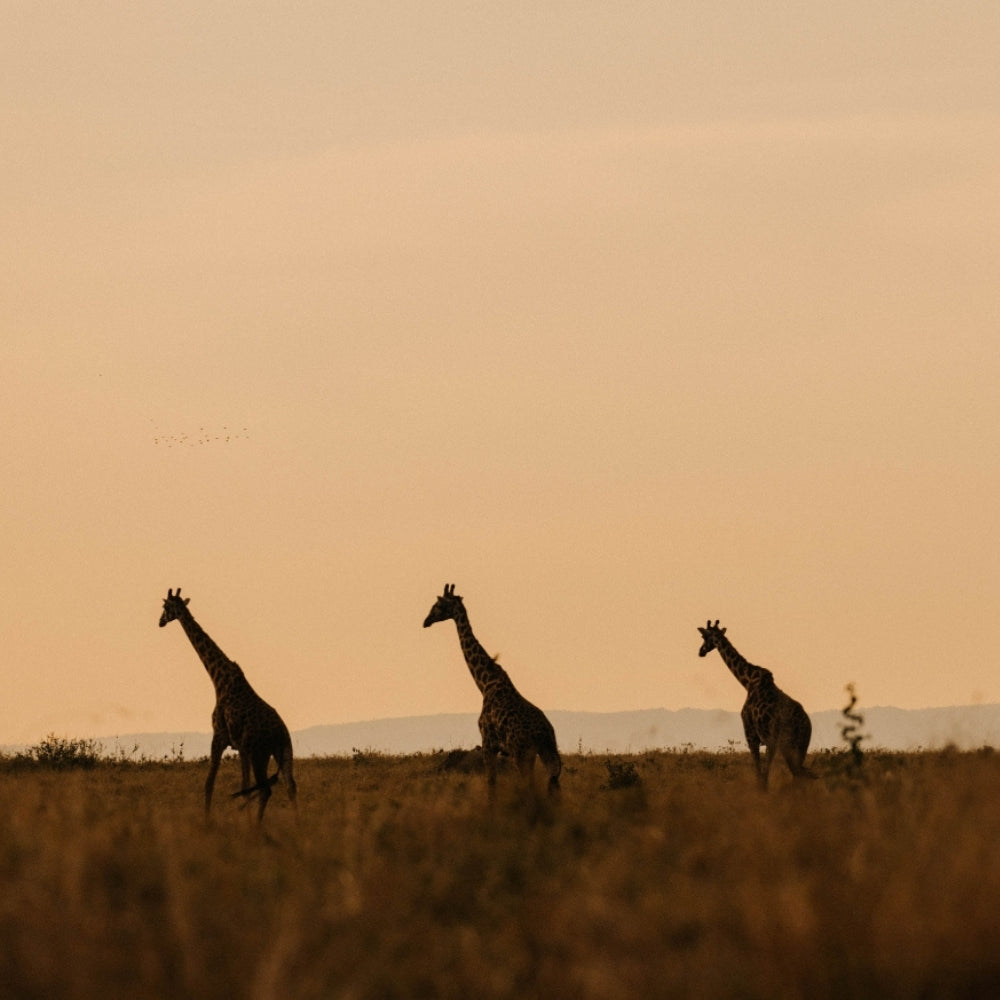
Adopt a Giraffe
Adopt a Giraffe
Couldn't load pickup availability
Do I need a soft toy?
Do I need a soft toy?
When selecting a physical adoption box, we offer you the choice between having a soft toy included. Please make sure you let us know your preference.
Giraffes are facing an uncertain future
Only around 140,000 giraffes remain in the wild across Africa. In some regions, their numbers have declined by as much as 95%.
Giraffes have been hunted extensively for their meat, hides and other body parts, while habitat loss and fragmentation continue to put wild populations at risk. Deforestation, expanding human settlements and agricultural development are leaving giraffes with fewer safe, connected spaces in which to roam.
How your giraffe adoption helps overseas
The Aspinall Foundation works to rescue giraffes in danger and protect wild populations and the landscapes they depend upon.
In 2019, The Aspinall Foundation helped rescue four giraffes as part of a larger, multi-species rescue mission. As part of a larger, multi-species rescue mission at Blaauwbosch Private Game Reserve in South Africa’s Eastern Cape.
The giraffes had been discovered in terrible condition, trapped within an overstocked, fenced area without water during a prolonged period of drought. With the animals facing almost certain death, The Aspinall Foundation, in conjunction with Wild911 to relocate them to protected areas where they could recover and thrive.
Protecting giraffes and their habitat
The Aspinall Foundation supports WeWild Africa’s conservation work at Loskop Dam Nature Reserve in South Africa, helping to strengthen ranger protection and safeguard more land for giraffes and other wildlife.
The project is working to expand the protected landscape to approximately 35,000 hectares. Loskop is currently home to 26 Southern giraffes, with new calves being born and the population growing by around 8% each year.
By protecting and connecting more habitat, the project will give giraffes greater space to roam and help support a healthier, more secure population for the future.
Adopt a giraffe with The Aspinall Foundation and help us rescue animals in danger, protect vital wild spaces and give giraffes a safer future.
- A group of giraffes is called a tower, but when they are travelling together, they can be called a journey.
- Although giraffes have a neck approximately 2 metres long, they have the same number of neck vertebrae as humans and many other mammals - just 7! Each vertebra is simply much longer.
- Despite its extraordinary length, a giraffe’s neck is still too short to reach the ground. To drink, it must spread its front legs or bend its knees.
- Giraffe feet are the size of a dinner plate with a diameter of 30cm.
- They can run up to 35mph over short distances and cruise comfortably at 10 miles an hour.
- Their tongue is black/blue in colour to help prevent it from getting sunburnt while eating.
- A giraffe's legs alone are taller than many humans - about 6 feet.
Share


FIND OUT MORE ABOUT HOW TO ADOPT AN ANIMAL AND WHAT'S INCLUDED
HOW TO ADOPT AN ANIMAL
1. What's included?
Included in your animal adoption:
Photocard, factsheet, personalised adoption certificate & a soft toy of your chosen species.
Please note: Soft toy and personalisation of certificate is not included in a digital adoption.
2. Pick your chosen species
From lions to gorillas, to elephants and crocodiles, there's something for everyone!
3. Choose how you would like to support
You can adopt via a monthly gift or, if you prefer, a one-off payment.
4. Pick from a Digital or Physical Adoption Pack
Digital adoption packs are delivered straight into your inbox and do not include a soft toy.
Physical adoption packs are delivered to your shipping address and may take up to 14 working days to be delivered.